
Receive, cool & inspect
Accept fully cooled, stable charcoal. Check moisture, foreign matter and storage history. Segregate inconsistent lots; a wood charcoal powder mill cannot correct high ash or incomplete carbonization.
MATERIAL PROCESSING / CHARCOAL
Understand the material.
Engineer the right powder.
A practical guide to charcoal crushing, conveying and ultrafine grinding. Match particle size to the application, then build the process around it.
THE PROCESS AT A GLANCE
01 / UNDERSTANDING THE MATERIAL
Charcoal is not simply a softer mineral. Its porosity, low bulk density and combustible dust change how a grinding line should be designed.
Read the dust-safety essentialsA wood charcoal grinding mill reduces already carbonized wood into a controlled particle-size distribution. It does not carbonize timber, activate carbon or remove ash. Those are separate process steps.
Specify the charcoal source, moisture, ash, volatile matter and bulk density before selecting equipment. A consistent feed helps a wood charcoal powder mill maintain its loading and classification cut. Mixed feedstocks should be evaluated as separate material grades.
D50 is the size below which 50% of the measured distribution falls; D97 is the corresponding 97% size. State the measurement basis and dispersion method. Mesh is a sieve designation, not a complete powder specification.
02 / FINENESS FOLLOWS FUNCTION
Finer is not automatically better. A wood charcoal powder mill should deliver the coarsest grade that meets the product's performance requirements, with manageable dust and energy demand.
Graded coarse fines
Not an ultrafine duty
A graded feed can mix effectively with binder and support consistent compaction. Excessively fine powder may raise binder demand and handling losses without improving briquette strength. Screen and test the blend before choosing a wood charcoal grinding mill.
Selection logic: a hammer mill or crusher with screening may be sufficient. Use ultrafine grinding only when a verified product specification requires it.
Fine powdered grades
Application-specific PSD
Size reduction can shorten the distance for mass transfer in a suitably activated carbon. The required distribution depends on the dosing and separation process. A wood charcoal powder mill does not create the pore structure or adsorption capacity of activated carbon.
Selection logic: evaluate a Raymond or CRGM circuit against the required upper cut. Verify adsorption performance, filtration and contamination on the actual activated feed.
Fine to ultrafine grades
Feasibility testing required
A controlled upper particle size can improve dispersion and reduce visible coarse particles in selected composites and coatings. More surface area can also increase liquid demand and viscosity. Select a wood charcoal grinding mill around formulation trials, not a nominal mesh label.
Selection logic: CRGM classification offers an ultrafine development route; assess wear contamination and agglomeration. Wood charcoal is not a direct substitute for engineered carbon black.
Blending and granulation
Not a universal specification
A screened distribution may support mixing with compost or downstream granulation. Ultrafine powder is often unnecessary and can complicate dust control. Charcoal intended for soil use must meet the relevant feedstock, contaminant and product-quality requirements.
Selection logic: first assess a screened coarse route. Add a wood charcoal powder mill only if the final formulation needs a finer fraction.
These are illustrative engineering trial windows, not industry standards or guaranteed end-use specifications. Validate each grade with the downstream user. At ultrafine sizes, specify a measured distribution rather than a mesh-to-micron conversion.
03 / FROM CHARCOAL TO POWDER
A wood charcoal grinding mill is only one part of the line. Stable conveying, metered feeding and correctly engineered powder recovery are equally important to finished-product quality.
Accept fully cooled, stable charcoal. Check moisture, foreign matter and storage history. Segregate inconsistent lots; a wood charcoal powder mill cannot correct high ash or incomplete carbonization.
A hammer crusher suits brittle charcoal; a jaw crusher may suit larger, harder pieces. Remove tramp metal and screen oversize. The CRGM catalogue lists a maximum feed of 20 mm; a tighter feed specification can be agreed after trials.
Use a covered belt, screw conveyor or appropriate elevator for the layout. Low-density charcoal can bridge in hoppers. A buffer hopper and controlled feeder help maintain steady loading in the wood charcoal grinding mill.
Ring-roller contact subjects feed to repeated compression and shear. The wood charcoal powder mill works with the classifier: feed rate, grinding load and air movement must be balanced, not adjusted independently.
A dynamic classifier lets sufficiently fine particles leave while returning coarse material for further grinding. Rotor speed and airflow affect the cut, but the result must be verified by sampling and particle-size analysis.
Collectors separate powder from the transport gas. Airlocks discharge to enclosed transfer and packing. Design the recovery system for combustible carbon dust; an ordinary mineral bag filter is not automatically suitable.
DESIGN REQUIREMENT, NOT AN OPTIONAL EXTRA
Fine combustible dust dispersed in air can explode under certain conditions. Before specifying a wood charcoal grinding mill, have qualified specialists assess the actual dust and the entire line, including conveyors, filters and storage. Consider ignition prevention, bonding and grounding, temperature monitoring, explosion isolation and suitable protection; inerting may be required. Negative pressure or CE documentation alone does not make a system explosion-safe. OSHA guidance
04 / CHOOSING THE TECHNOLOGY
Compare a wood charcoal grinding mill at the same feed, product distribution and throughput. Installed motor power alone says little about specific energy consumption.
| Decision factor | CRRM Raymond mill | Ball mill system | CRGM ultrafine mill |
|---|---|---|---|
| Reference fineness | 80–325 mesh; selected catalogue models to 400 mesh | Configuration-dependent; tens of microns are a common design target, with finer grades requiring a suitable circuit | CRGM80 / 100: 5–74 µm CRGM125: 7–74 µm Catalogue reference ranges |
| How it grinds | Pendulum rollers press feed against a ring | Tumbling media reduce particles by impact and attrition | Multiple ring-roller grinding layers plus dynamic classification |
| Where it fits | Moderate fineness where an ultrafine distribution is unnecessary | Processes needing media milling, selected wet routes or a separate classification circuit | Dry fine and ultrafine grades with a controlled upper particle size |
| Practical advantage | Established technology with straightforward grade adjustment | Flexible media and lining selection; wet or dry configurations | Integrated classification and return of coarse particles |
| What to evaluate | Capacity loss and classification limits at finer cuts | Media wear, contamination, residence time and auxiliary equipment | Actual charcoal throughput, airflow, wear and combustible-dust suitability |
Choose CRGM when: trials establish a fine or ultrafine grade that a conventional Raymond circuit cannot produce economically.
Keep a simpler route when: screened coarse charcoal meets the specification. Ultrafine grinding adds no value by itself.
CRRM identifies Cronus Raymond equipment; CRGM identifies the ultrafine ring-roller range. Ball-mill fineness is not a fixed machine-class limit. All charcoal duties require application-specific approval.
05 / INSIDE THE CRGM SERIES
The CRGM wood charcoal powder mill proposal brings the grinding zone and classifier into one coordinated circuit. The final configuration follows material trials and a dust-safety review.
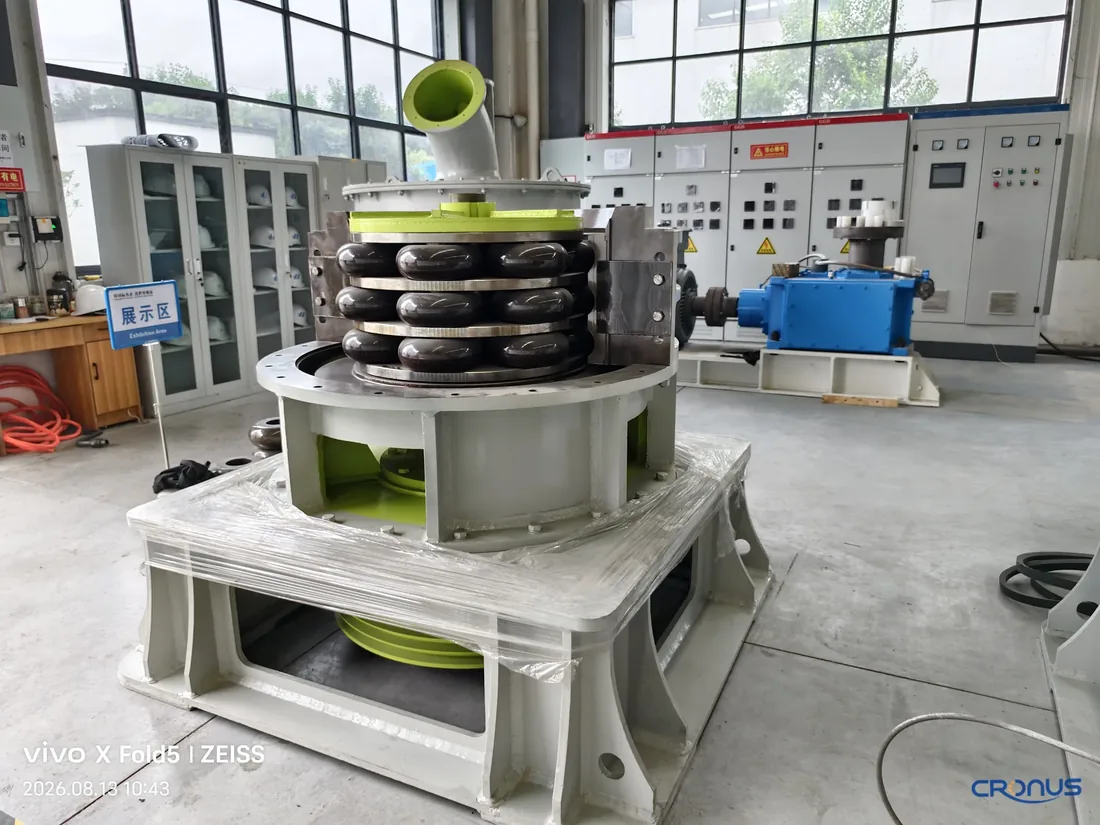
The main drive rotates the shaft and turntables. Feed is dispersed through successive grinding layers, where the rollers act against the rings. An air stream carries reduced particles toward the classifier.
The classifier separates the acceptable fraction from particles that need more grinding. Collected fines leave as product; coarse particles return to the grinding zone. More stages do not remove the need for a well-balanced feed and airflow.
The wood charcoal powder mill uses variable-speed classification to develop a target distribution. Confirm the change with measured D50, D97 and coarse residue.
Regrinding the oversize fraction allows finished fines to leave the circuit. Compare kWh/t at an identical product specification rather than assuming a fixed saving.
Rollers, rings and other service components can be planned as matched spares. Wear life depends on contaminants and duty, not only on charcoal hardness.
Feeding, collection and controls are specified alongside the wood charcoal grinding mill. Equipment interfaces and maintenance access are reviewed before manufacture.
06 / TECHNICAL REFERENCE
Directly transcribed from the supplied CRONUS Grinding Mill Catalog, technical parameters, printed page 8. These are general catalogue data, not a charcoal performance guarantee.
Download the original catalogue| Parameter | CRGM80 3-layer grinding | CRGM100 4-layer grinding | CRGM125 4-layer grinding |
|---|---|---|---|
| Grinding ring diameter | 800 mm | 1,000 mm | 1,250 mm |
| Grinding ring layers | 3 | 4 | 4 |
| Roller quantity | 21 | 28 | 32 |
| Main shaft speed | 230–240 rpm | 180–200 rpm | 135–155 rpm |
| Maximum catalogue feed size | ≤20 mm | ≤20 mm | ≤20 mm |
| Catalogue finished size | 5–74 µm | 5–74 µm | 7–74 µm |
| Catalogue mesh label¹ | 200–2,500 | 200–2,500 | 200–2,000 |
| Catalogue capacity² | 0.5–4.5 t/h | 1.8–5 t/h | 1.5–12 t/h |
| Main motor | 75 kW | 132 kW | 185 kW |
| Classifier motor | 18.5 kW | 30 kW | 75 kW |
| Blower motor | 45 kW | 75 kW | 132 kW |
| Discharge valve motor(s) | 0.75 kW × 2 | 1.1 kW | 1.5 kW |
| Screw conveyor motor | 3 kW | 4 kW | 4 kW |
| Catalogue total motor power³ | 143 kW | 244 kW | 401 kW |
| Catalogue overall L × W × H | 15.9 × 4.2 × 6.1 m | 19.7 × 4.7 × 7.7 m | 23.2 × 4.7 × 7.7 m |
¹ Mesh labels and micron ranges are reproduced as published, not asserted as exact sieve conversions. Specify a measured PSD for acceptance.
² Capacity varies with feed, bulk density, moisture and fineness. No charcoal-specific capacity curve is supplied. A wood charcoal grinding mill quotation must confirm a tested duty point.
³ Published totals do not equal the sum of every listed motor. Confirm the project load list, options and final layout before electrical or civil design.
Target PSD + charcoal properties + required output = a meaningful selection.
07 / A BROADER PROCESS PLATFORM
Beyond a wood charcoal powder mill project, CRGM technology is used for brittle mineral feed. The catalogue lists materials below Mohs 6. Each material needs its own operating and wear evaluation.

Fillers, coatings and building materials. Product brightness and coarse residue matter.
Polymer and coating fillers. Evaluate particle shape and dispersion, not fineness alone.
Ceramics and functional mineral powders. Moisture and agglomeration affect classification.
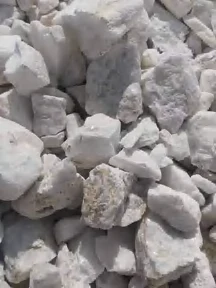
Specialty mineral fillers. Density and abrasive impurities influence the circuit.
Wood charcoal, activated carbon and petroleum coke are different feedstocks, not interchangeable grades. Mineral suitability does not establish combustible-carbon suitability. Raw wood chips require a different preparation route.
08 / ENGINEERING IN PRACTICE
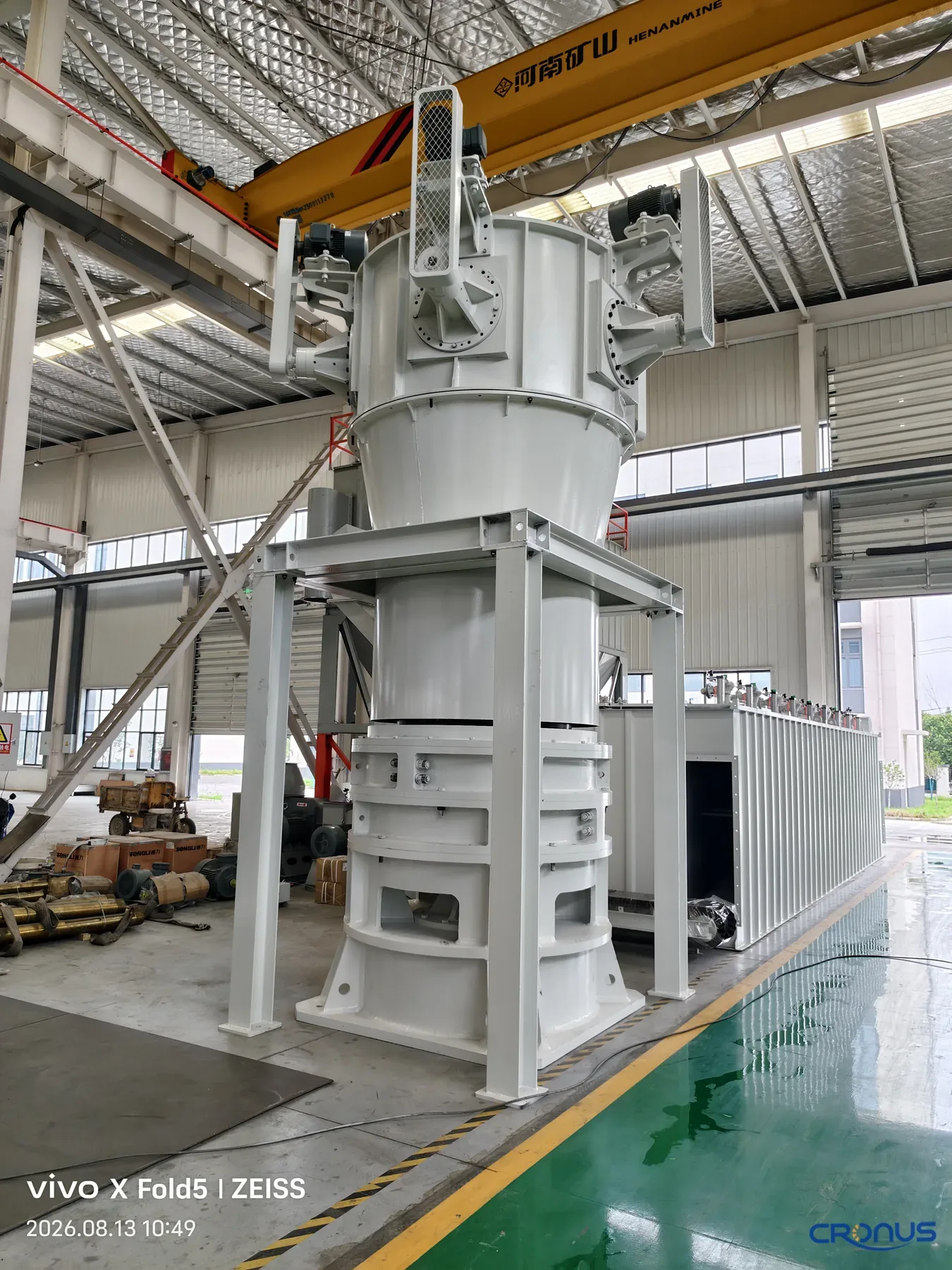
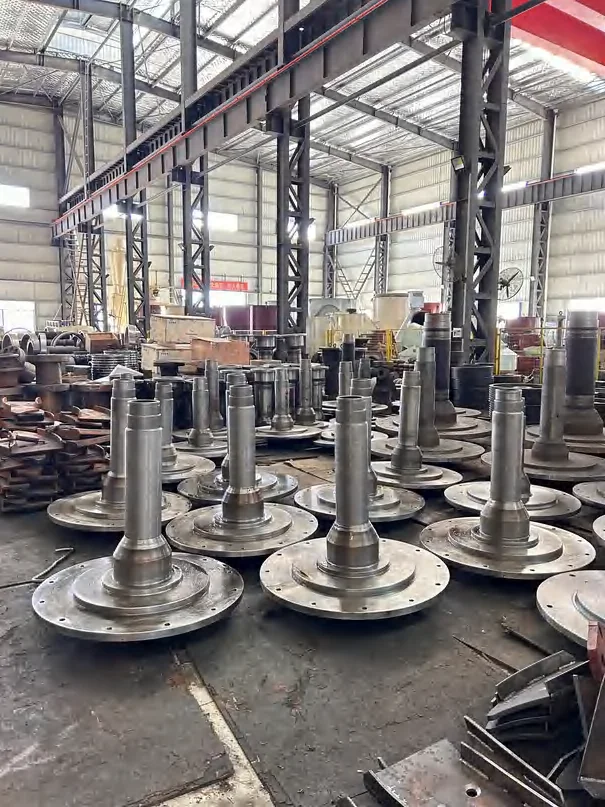
These owner-supplied photographs document Cronus grinding equipment and installation work. They demonstrate construction experience, not verified wood-charcoal production results.
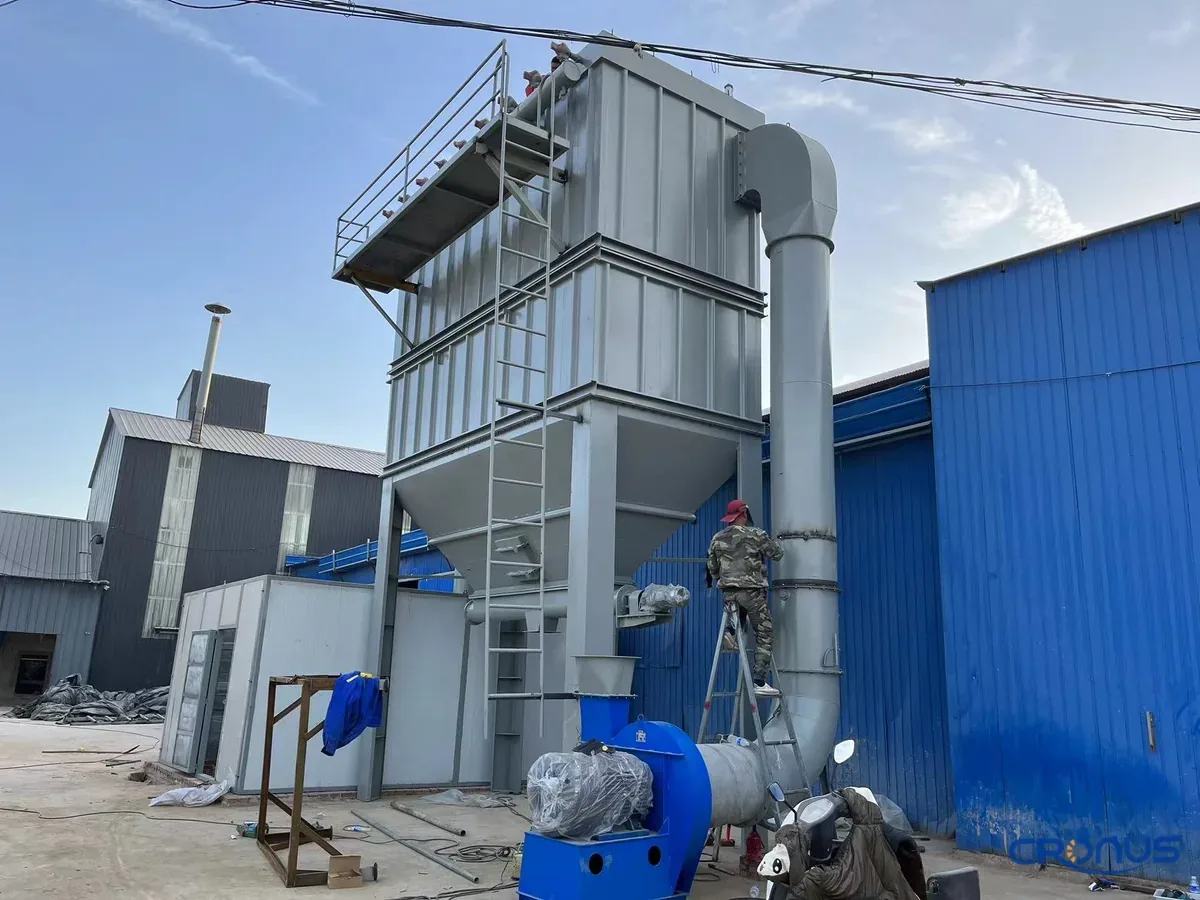
Review the whole line, including filter access, discharge clearances and maintenance space.
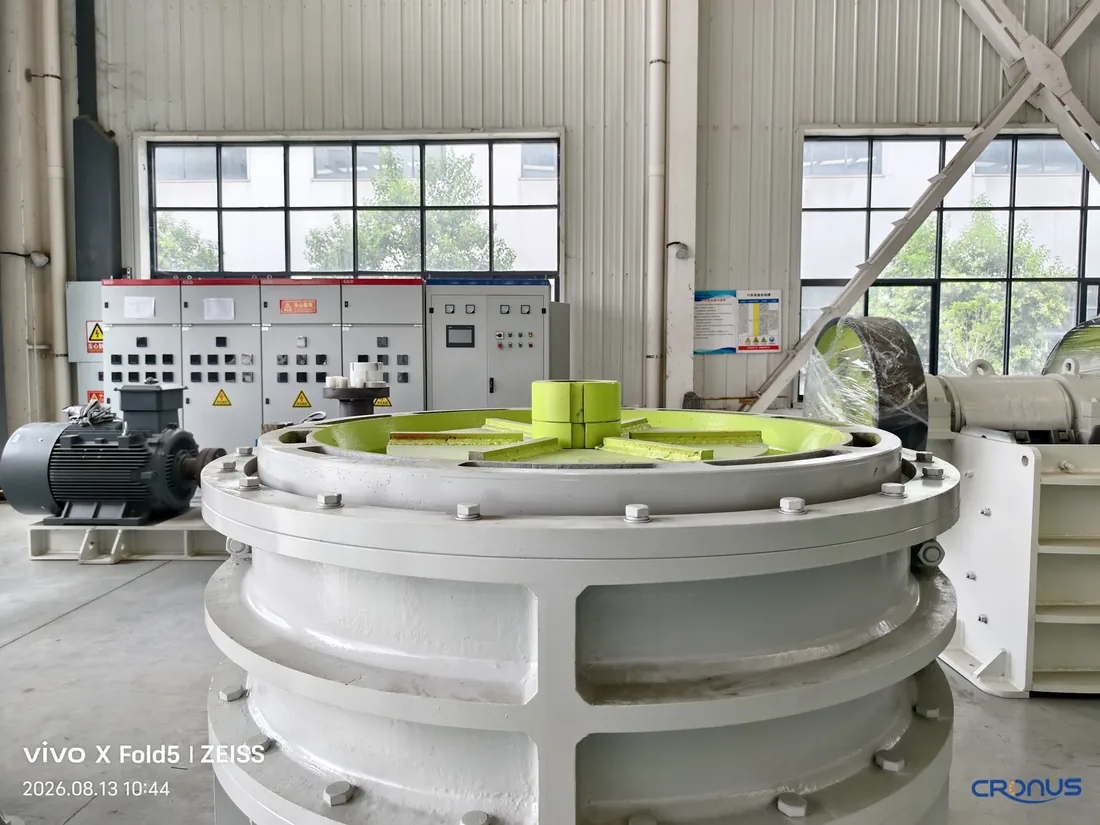
Check assembly interfaces before commissioning and material trials.
Equipment footage, not a charcoal performance test.
09 / THE PEOPLE BEHIND THE PROCESS
Shanghai Cronus Machinery Co., Ltd. is a wholly owned subsidiary of Guilin Mining Machinery Co., Ltd.
Founded in 1973, the parent company brings more than 50 years of powder-equipment manufacturing experience. Cronus supports international customers with equipment selection, project coordination and service.
That manufacturing base connects process development, machining, fabrication and assembly. A wood charcoal grinding mill project draws on this experience while requiring its own feed testing and safety engineering.
More about Cronus
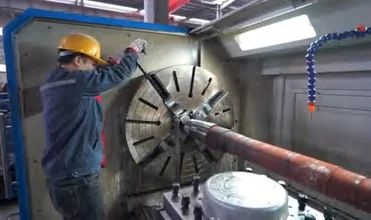
Documents supplied for the manufacturing group. Scope, entity and validity must be checked against the equipment contract; these are not charcoal explosion-protection certificates.
10 / KEEP THE LINE RUNNING
For a wood charcoal powder mill, matching the wear part to the machine is as important as the alloy. Quote the model, serial number, drawing and operating duty when ordering.
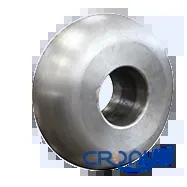
Inspect the working profile, wear uniformity and running condition.
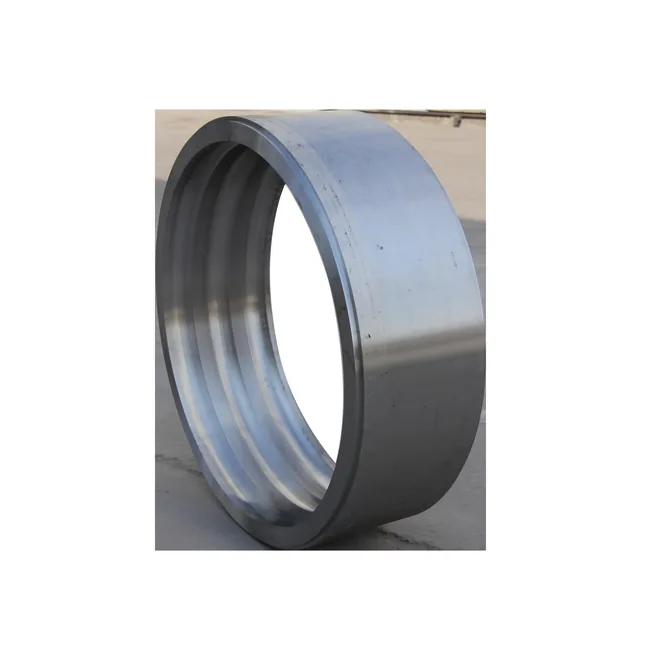
Matched geometry maintains the intended roller contact and grinding zone.
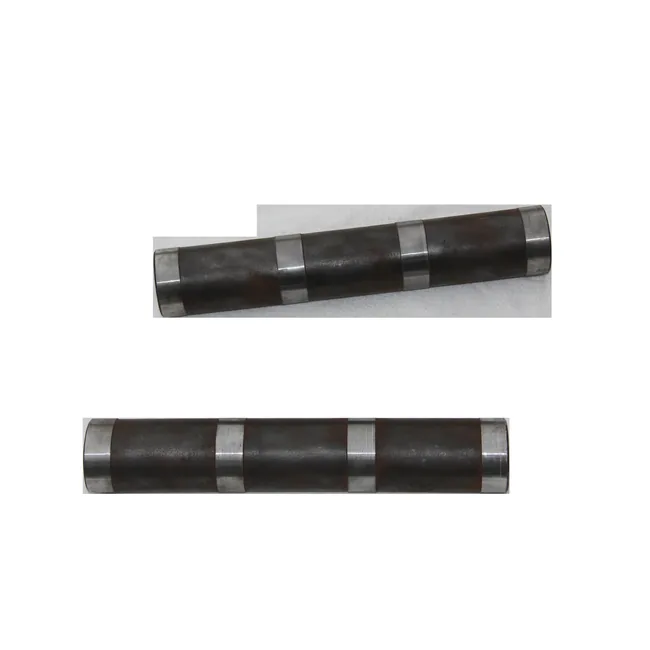
Check fits, clearances and lubrication points during planned stops.
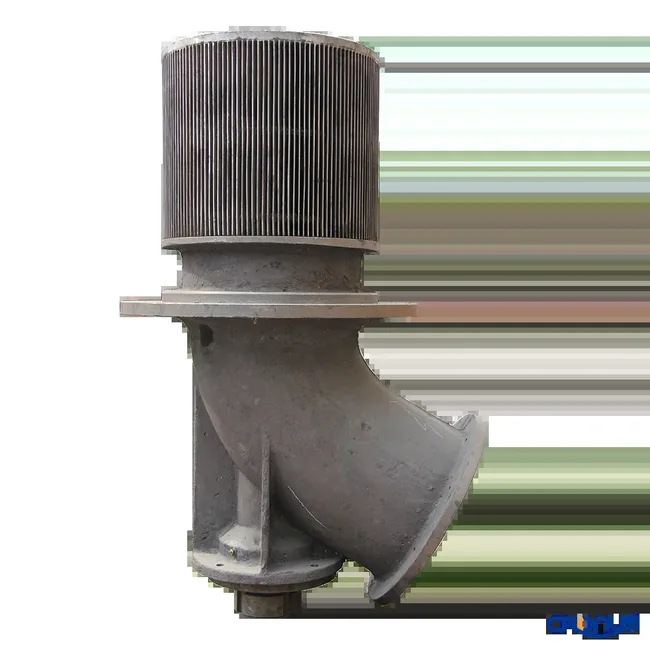
Inspect rotor wear and balance when product size or vibration changes.
Cronus offers original replacement parts backed by its manufacturing group's casting and machining capability. Material choice, dimensional inspection and traceability should form part of the supply agreement.
Factory-direct quotations and planned spare kits help compare purchase price with wear life and downtime. Also plan for filter bags, seals, bearings, belts and discharge-valve wear parts. No universal replacement interval fits every wood charcoal grinding mill.
11 / SUPPORT THROUGH THE LIFECYCLE
Agree service responsibilities before ordering a wood charcoal powder mill. The scope below can be included in the project proposal; schedule, warranty, site work and response commitments follow the contract.
Review feed data, target PSD and capacity. Define trials and the combustible-dust assessment boundary.
Coordinate foundations, utilities, access, conveying, collection and controls with the plant team.
Agree inspection points, motor data, drawings, documentation and shipment preparation.
Plan installation guidance, interlock checks, startup assistance and acceptance sampling.
Cover operating limits, grade changes, inspection, lubrication and safe shutdown procedures.
Maintain a model-specific wear-part list and review performance data before replacing components.
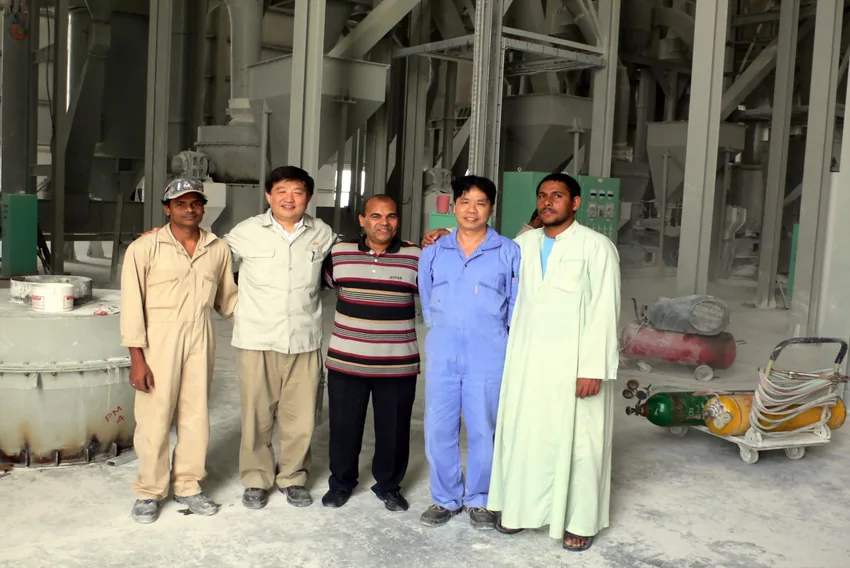
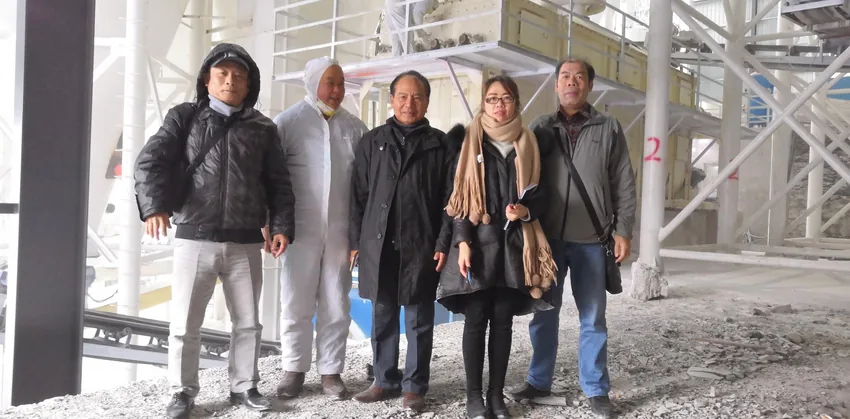
Owner-supplied customer-visit photographs. Visits do not imply endorsement of a particular charcoal application.

12 / PRACTICAL ANSWERS
The questions that help turn an equipment inquiry into a workable process specification.
Ask an application questionIt is equipment for reducing already carbonized wood into powder. A complete line adds feed preparation, controlled conveying, classification and collection. The mill is not a wood carbonizer or an activation plant.
The supplied CRGM catalogue lists 5–74 µm for CRGM80 and CRGM100, and 7–74 µm for CRGM125. These are general equipment references. Confirm the charcoal-specific distribution and output by trials; the smallest number is not a universal guarantee.
CRGM is the ultrafine ring-roller series. CRRM is the Raymond series, with catalogue grades of 80–325 mesh and selected models to 400 mesh. Choose a wood charcoal grinding mill by the required distribution and verified operating economics.
Usually an ultrafine specification should not be assumed. A screened blend from a hammer mill may be adequate. Test binder demand, strength and combustion before paying for extra fineness.
Do not treat raw fibrous wood as charcoal feed. Shredding, drying and carbonization are separate operations. CRGM suitability must be assessed for the actual feedstock presented to the mill.
No. Activation develops the pore structure through a separate process. Milling controls external particle size; it does not establish adsorption capacity or certify a carbon for water, food or medical applications.
Not automatically. Charcoal dust is combustible. A wood charcoal grinding mill project requires a material-specific hazard assessment and appropriately designed conveying, grinding, collection and storage systems.
Provide measured moisture and its normal variation. Wet feed can agglomerate and disrupt classification, while drying carbon introduces additional hazards. Agree the moisture acceptance limit and any drying stage with the application and safety engineers.
They describe different points in the particle-size distribution. Include the measurement basis, dispersion method and any coarse-residue limit. A mesh label alone does not describe distribution width or agglomeration.
Use representative feed trials at the required PSD. Bulk density, moisture, contaminants, classifier setting and collection design all matter. Catalogue mineral throughput should not be sold as a guaranteed charcoal output.
Sequential grades may be possible by changing the approved settings and verifying samples. Include cleaning and cross-contamination procedures. Simultaneous multi-grade production needs a specifically designed circuit.
Compare total measured line kWh/t at the same accepted product quality, then add wear parts, staffing, collection consumables and downtime. Do not compare only the rated main-motor power.
A wood charcoal grinding mill spare kit typically covers rollers, rings, pins or bushings, seals and selected bearings, plus filter and discharge components. Final quantities follow the machine drawings and maintenance strategy.
Send charcoal source, feed size, moisture, ash, bulk density, target PSD, required t/h, end use, location and utilities. Include available dust-test results and site safety requirements. Photos and representative samples help the technical review.
This wood charcoal grinding mill guide separates manufacturer catalogue data, general process explanation and indicative trial windows. Public sources were reviewed on September 20, 2026.
Application size windows are illustrative starting points, not values prescribed by FAO. Photographs and video are supplied by the site owner or extracted from the supplied Cronus catalogue. No verified charcoal production case or charcoal-specific capacity curve was provided.
LET'S DEFINE YOUR PROCESS
Tell us about your feed and finished product. We will review the right wood charcoal grinding mill configuration and the information needed for a representative trial.
 WhatsApp